
 Indochina destination specialist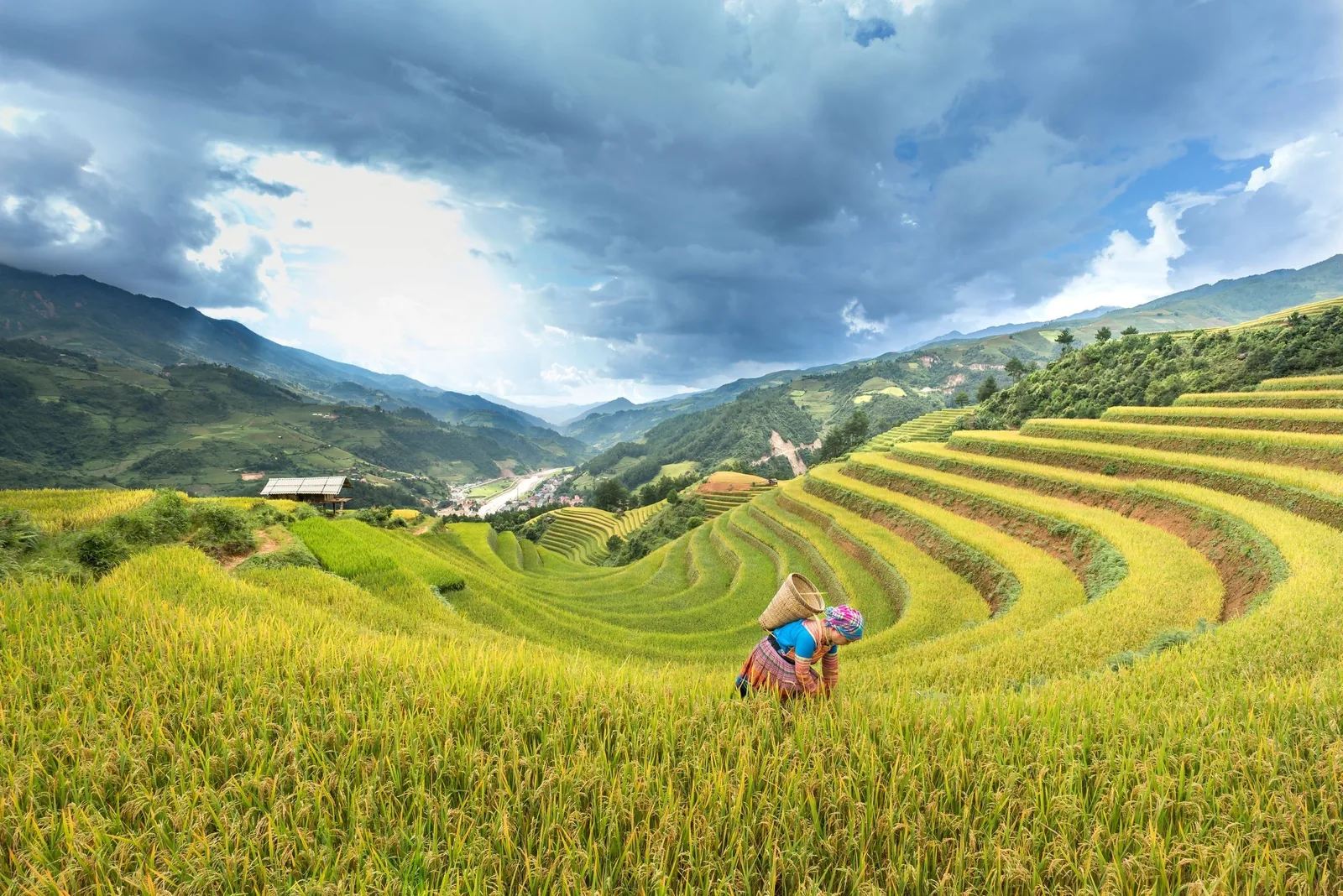
Planning
Three countries, five different calendars
Vietnam alone spans 1,650 kilometres and three climates, so there is no single best month for this region. What there is: a grid of five zones, an honest note about what goes wrong in each one, and the argument for travelling in the months everybody else avoids.
- climate zones to plan around
- 5
- typhoon months in central Vietnam
- 9-11
- hotel savings in low season
- 30%
The twelve-month grid
Read this across, not down. Each row is a zone, each column a month, and the shading is our own working judgement after running trips in all five for years — not a rainfall table copied from a weather service.
Ideal, good, and difficult. Difficult means hot, wet or both — it does not mean closed, and it does not mean a bad trip.
The immediate consequence is visible in the grid: there is no month where all five rows are ideal. A three-country trip always trades something. Our job when we plan one is to decide which zone gets the best conditions and which one takes the compromise, and to tell you which is which before you book.
Northern Vietnam
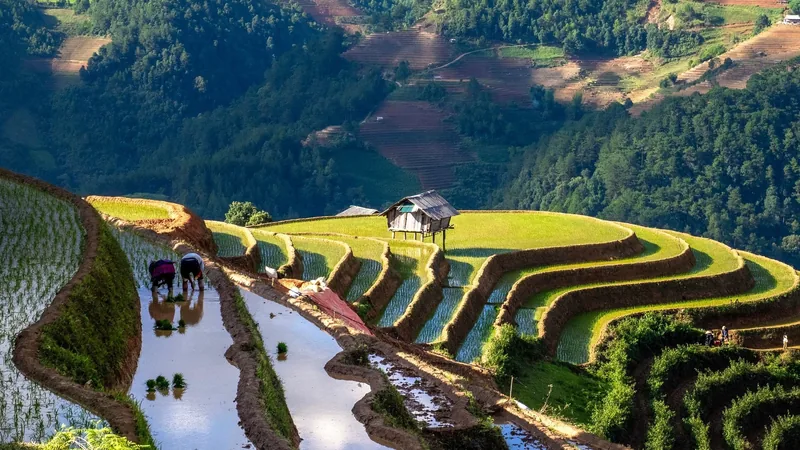
Hanoi, Lan Ha Bay, Sapa, Ha Giang and the Ninh Binh plain share one calendar. March and April are the best pair: 22 to 28 degrees, the rice terraces are being flooded and the light is long. Late September through November is the other good window, drier, with the north-facing valleys green from the summer and harvest colour in the terraces through late September.
May to August is hot and wet. Hanoi sits at 33 to 37 degrees with high humidity, afternoon storms are daily rather than occasional, and boat trips in Lan Ha are occasionally cancelled for a day at a time. December to February is the opposite problem: Hanoi can sit at 14 degrees under low cloud for a week, and Sapa at 1,600 metres drops to 4 or 5 degrees with the valley invisible below the mist.
Tet, the lunar new year, falls in late January or February. Domestic flights and trains sell out weeks ahead, prices in Hanoi rise sharply, and for roughly three days most family-run restaurants and many shops close entirely. The street theatre is remarkable; the logistics are not. We will book you into it if you want it, but we will say this first.
Central Vietnam, and the storms
Hue, Da Nang and Hoi An run on a calendar that is almost the reverse of the north. February to May is the clear window: dry, 24 to 32 degrees, the Hai Van pass open and clear roughly two days in three. June to August is hot, up to 38 degrees, but usually dry in the mornings and swimmable on the coast.
September to November is the part we will not soften. This is the typhoon and flood season for the central coast. Hoi An floods most years — the old town has waterline marks painted on the shophouse walls, and in a bad year the water reaches the first floor. Hue takes the heaviest rainfall in Vietnam, over 700 millimetres in some Octobers. Flights into Da Nang are cancelled or diverted when a storm lands, and a landed typhoon closes the pass road.
- A storm is usually forecast three to five days out, so this is rarely a surprise — it is a rerouting problem, not a safety one.
- We move the central section of an itinerary rather than cancel a trip, most often by flying straight to the south and coming back north afterwards.
- If your dates are fixed in October and you cannot accept that risk, build a trip that skips the central coast rather than gambling on it.
- Travel insurance that covers weather disruption matters more in these three months than in any others.
Southern Vietnam and the delta
Ho Chi Minh City and the Mekong Delta have two seasons and no winter. December to March is dry and 26 to 33 degrees, which is the comfortable stretch. April is the hottest month of the year, regularly 36 degrees with no rain to break it.
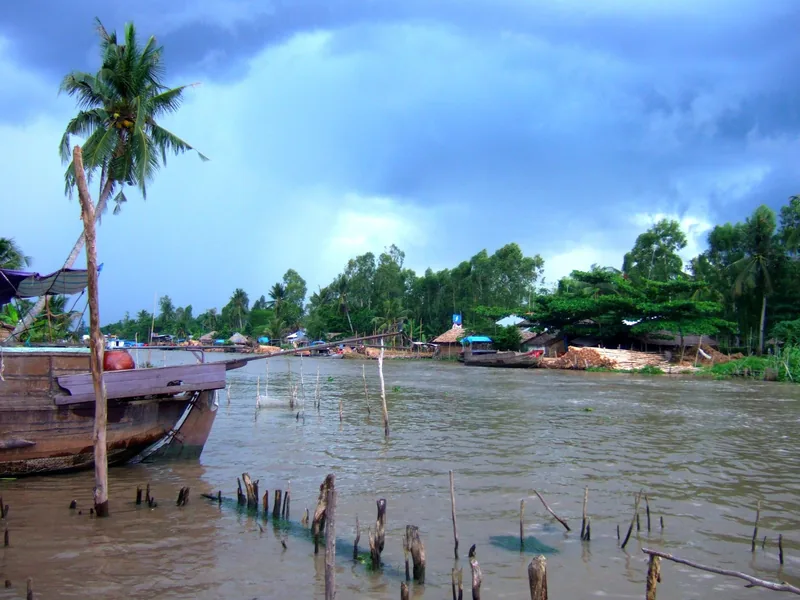
May to November is the wet season, and it is widely misunderstood. Rain arrives in the afternoon, falls hard for 40 to 90 minutes, and stops. Mornings are usually clear. The delta is at its highest and greenest in September and October, which is when the boat channels are widest and the floating markets are easiest to reach. We run delta days year-round and the wet-season ones are often better.
Cambodia
Angkor and the Cambodian Mekong follow the same monsoon as southern Vietnam, shifted slightly. November to February is the peak: 24 to 32 degrees, low humidity, and every temple at its most comfortable. March to May is punishing — Siem Reap reaches 38 to 40 degrees in April, and a full day at Angkor in that heat is genuinely hard on anyone over sixty or under ten.
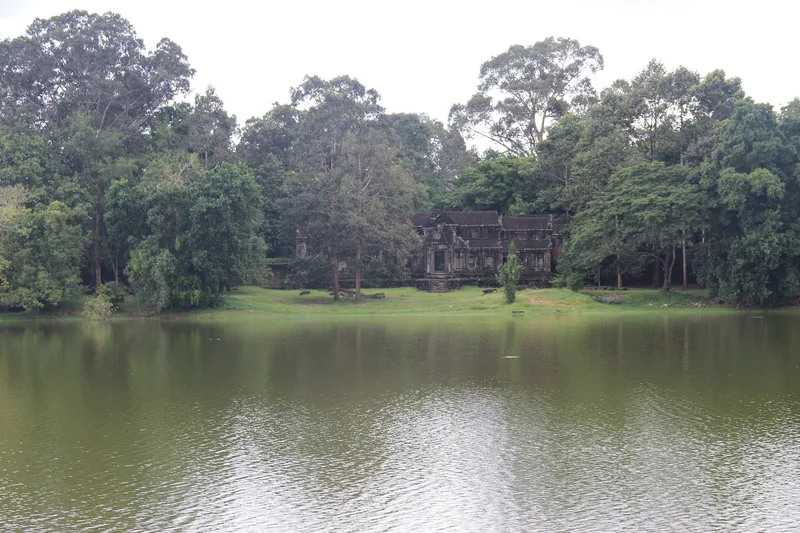
June to October is the green season. The moats fill, the stone darkens, the grass around Ta Prohm comes back, and visitor numbers drop by roughly half. Rain is an afternoon event. If you have seen photographs of Angkor with reflections in the moat and nobody in them, they were taken in the wet season.
One practical note for the wet months: the floating villages on the Tonle Sap are reachable and the lake is at full extent, while in March and April the water retreats far enough that some villages are stranded on mud and the boat trip is not worth doing.
Northern Laos
Luang Prabang, the Nam Ou and the hill country north of it are at their best from late October to February. Nights drop to 14 degrees, days sit at 26 to 30, and the Mekong is high enough for the upriver boats after the rains. March and April carry a problem that has nothing to do with rain: agricultural burning fills the valleys with smoke, visibility falls to a kilometre or two, and the hills disappear for weeks at a time. We tell every guest about the burning season before they book March or April, and we have talked people out of both months.
May to September is wet and green. The Kuang Si falls are at full volume, which is the single best reason to come then, and the town is quiet. River travel is less predictable, and some unsealed roads in the far north become unreliable for vehicles.
What the difficult months actually buy
The grid above marks months as difficult, not as wasted. The trade is real and measurable, and for some travellers it is clearly worth taking.
Lower hotel rates
Good four-star and boutique properties in Hoi An, Siem Reap and Luang Prabang drop 25 to 35 per cent between May and September. That difference often funds two extra nights.
Fewer people at the big sites
Angkor in August takes roughly half the visitors of January. Ta Prohm at 07:00 in the wet season is close to empty.
Landscape at full colour
Rice terraces, waterfalls and the delta are all at their best in the months the brochures skip. Dry season landscape in Laos and Cambodia is brown.
Availability late
In February we may not be able to get the hotel you want. In July we usually can, at short notice, at a lower price.
What you give up is predictability. In the wet months we plan around afternoons rather than through them, and we accept that one day in a fortnight may be rearranged.
Choosing dates for a three-country trip
If you are combining Vietnam, Cambodia and Laos on one trip, two windows work better than the rest.
| Window | What it gives you | What it costs |
|---|---|---|
| Late October to early December | Northern Vietnam dry and clear, Laos post-monsoon, Cambodia drying out | Central Vietnam may still be in the storm tail in late October |
| February to early April | Central and southern Vietnam at their best, Cambodia dry and warm | Laos hazy from burning in March and April, Cambodia very hot by late March |
| June to August | Lowest prices, greenest landscape, most availability | Hot in all three countries, daily afternoon rain, some boat days lost |
Our fifteen-day route across all three countries is built for the first of those windows; see the Classic Indochina page for how the flight spacing works. If your dates fall elsewhere, the route changes rather than the trip being wrong.
Plan My Trip
Tell us your dates first
Send the window you can travel in and we will tell you which zone takes the compromise before we design anything.
Months we would talk you out of
- Central Vietnam in October, if your dates cannot move at all. This is the single highest-risk combination in the region.
- Northern Laos in late March, if clear air and hill views are the reason you are going. The burning haze is not a rumour.
- Cambodia in mid-April, for anyone who struggles with heat, or for families with young children. Forty degrees on open stone is a different experience from forty degrees anywhere else.
- Sapa and Ha Giang in January and February, if you want views. The valleys are frequently under cloud for days.
- Anywhere in Vietnam across Tet itself, unless the festival is the point of the trip.
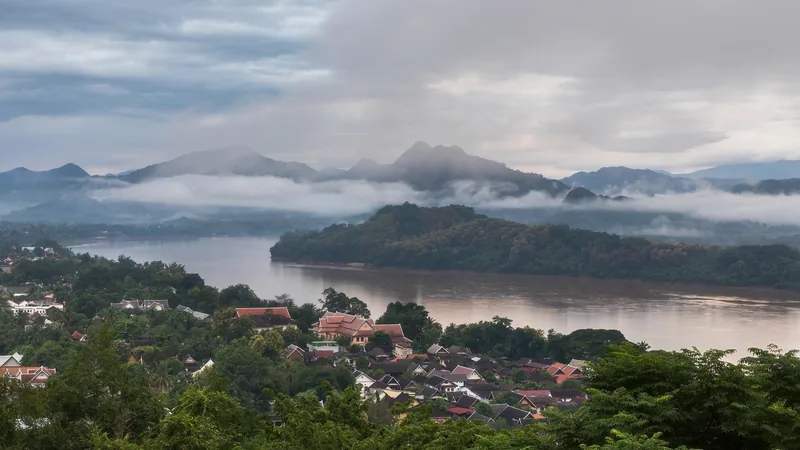
Pictures across the year
Common questions
Questions travellers ask most
Is there one month that works for all three countries?
November comes closest. Northern Vietnam is dry and clear, Laos has come out of the monsoon with the river still high, and Cambodia is entering its best stretch. The weak point is central Vietnam, which can still be in the tail of the storm season in the first half of the month.
Will rain ruin a trip in the wet season?
Rarely, outside the central Vietnam storm months. Wet-season rain in the south, in Cambodia and in Laos is an intense afternoon event rather than all-day drizzle, and we plan the day around it. What you should expect is one rearranged day in a two-week trip, not a ruined fortnight.
How much cheaper is low season?
Land costs drop roughly 15 to 25 per cent between May and September, driven mostly by hotel rates. Guides, vehicles and entrance fees do not change. The saving is larger at the top end, because luxury properties discount more steeply than mid-range ones.
When should I book for the November to March peak?
Three to five months ahead for those dates, and earlier if you want specific hotels in Hoi An or Luang Prabang, which are small and fill first. Outside the peak, six to eight weeks is usually enough.
Related
Read next
Planning
How many days
Realistic day counts for one, two and three countries, and the routes that do not work.
View journey
Planning
Private or group
The real difference between private and small-group travel, with the cost arithmetic explained.
View journey
Vietnam · Cambodia · Laos
Tours
Every journey we operate, with days, group size and starting price.
View journey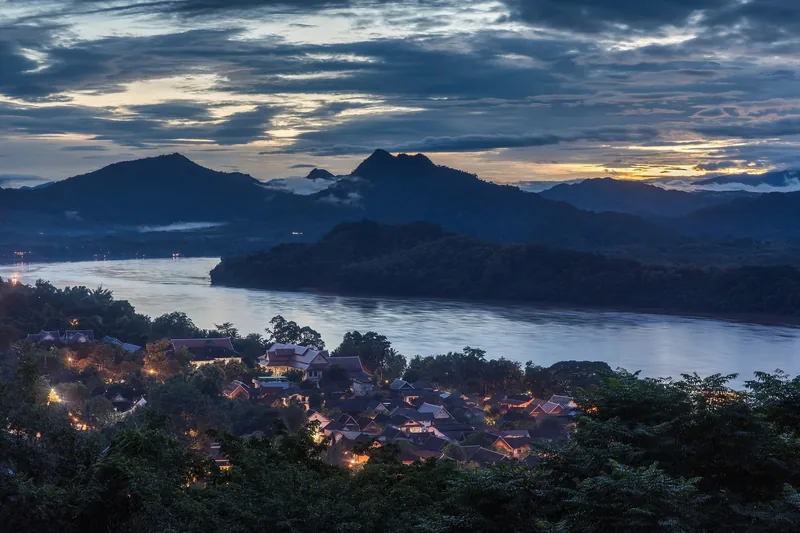
Vietnam · Cambodia · Laos
Destinations
Country and place guides for Vietnam, Cambodia and Laos.
View journey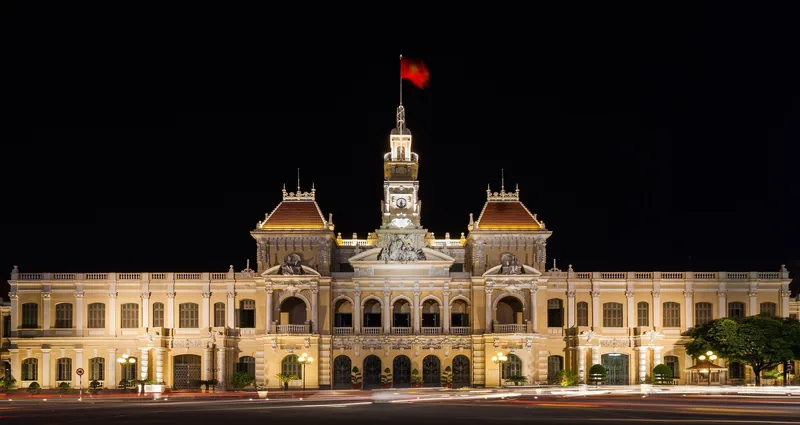
Practical
Visas and entry
How entry works in all three countries, written as principles rather than numbers that go stale.
View journey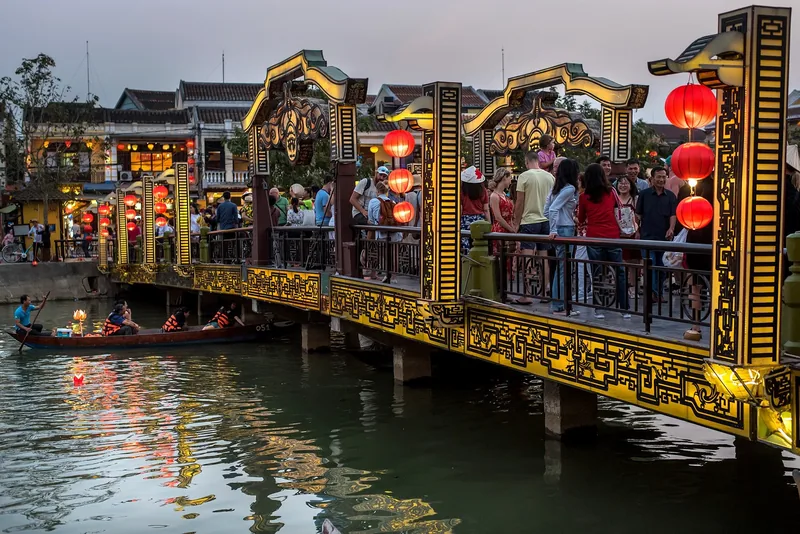
Tours
Prices
Price ranges, a supplier-level breakdown, and how a cheap quote is made cheap.
View journey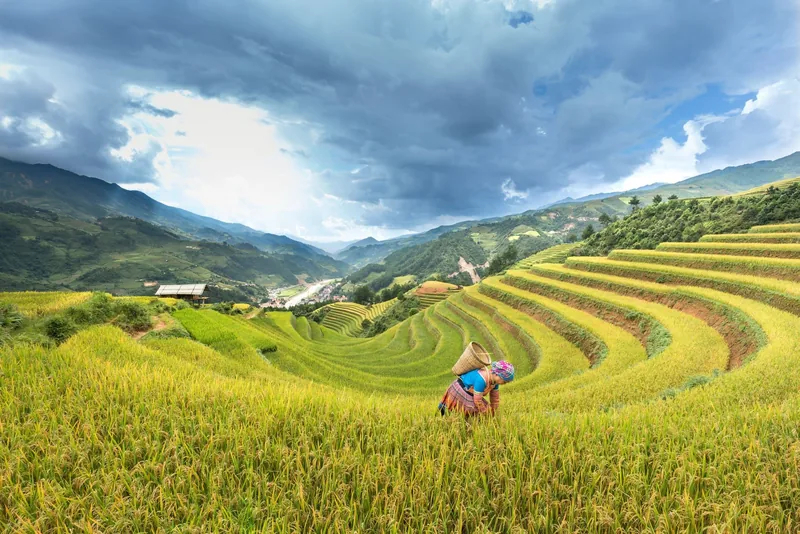
Start planning
Tell us about the journey you have in mind
Dates, party size and the places you care about are enough to start. You get a draft route and an indicative price, not a brochure.
Prefer to talk? WhatsApp or call+84 766 019 399