
 Indochina destination specialist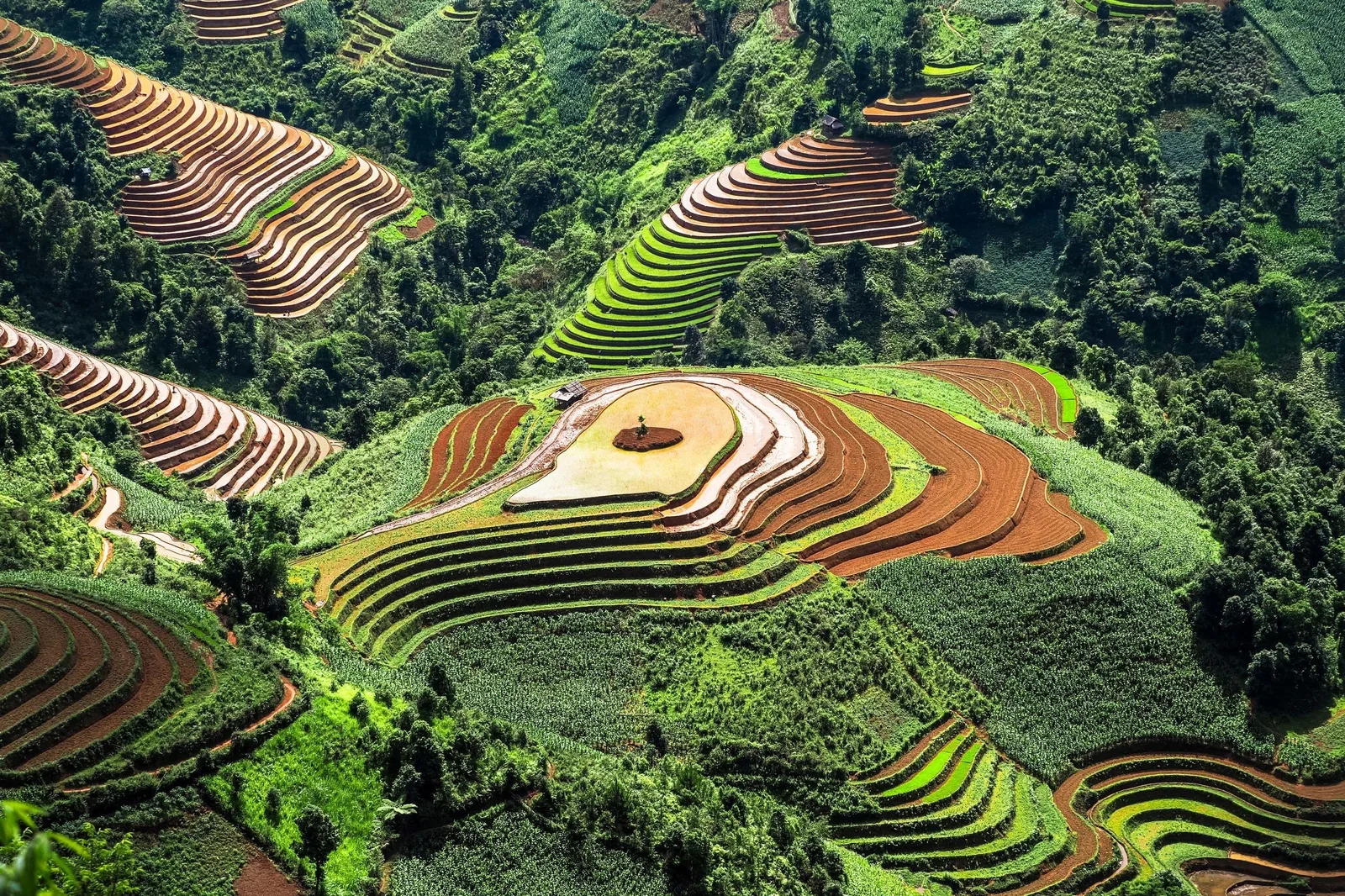
Vietnam, 1,650 kilometres of it
One country with three climates, two very different halves and the densest street food culture in Southeast Asia. It is also the most travelled country of the three, which means some of it is worn thin and the good version now sits a short drive from the famous version.
The country in figures
What Vietnam actually is
Vietnam is not one destination that happens to be long. The north is a cool-winter country of limestone, terraced hills and a capital that still behaves like a collection of villages. The centre is a narrow strip of imperial history, beaches and a typhoon season. The south is flat, hot, commercial and river-shaped. Travelling the whole thing in ten days means you fly over most of it.
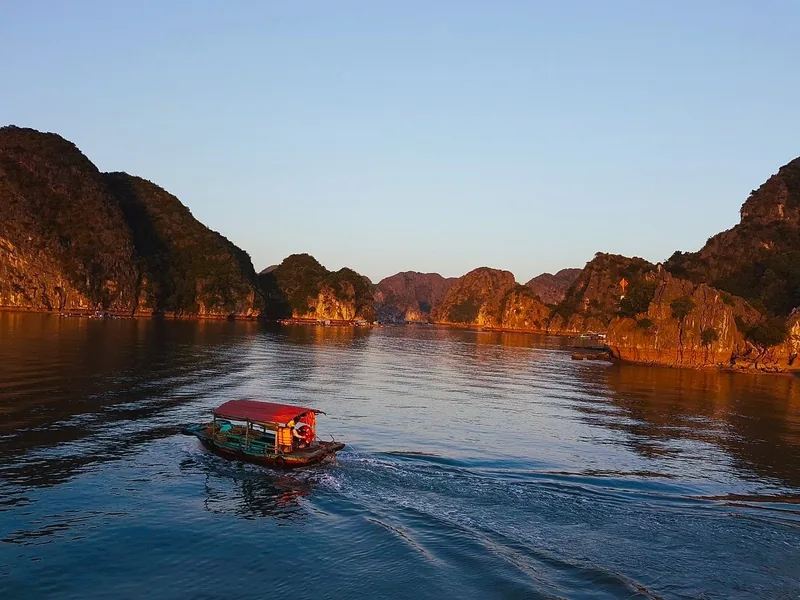
The honest part: the famous places have taken a beating. Ha Long Bay's main channel handles hundreds of boats a day and the anchorages are crowded enough that the silence people come for has gone. Sapa town is now a hillside of concrete hotels — the valleys beneath it are still remarkable, and that is where a trip there has to be spent. Hoi An's old town between ten in the morning and nine at night is a shopping street with lanterns; at six in the morning it is a town again. Ho Chi Minh City's District 1 is a construction site with good bars.
None of this means avoid them. It means the difference between a poor trip and a good one here is almost entirely timing and a short drive. Lan Ha rather than the Ha Long channel. Pu Luong or Ha Giang rather than Sapa. Hoi An before eight and after nine, with the middle of the day spent out by the river. That is the whole trick, and it is the reason our routes look slower than the standard fourteen-day circuit.
How many nights, and why fewer breaks it
Ten nights is the floor for a north-to-south trip, and it buys you three nights in the north, one on the water, four in the centre and two in the south, with two internal flights. Twelve is better and is what our twelve-day route uses. Fourteen lets you add either the Mekong Delta properly or a walking section in the northern hills.
Below ten nights, do one region. Seven nights in the north — Hanoi, a bay night, and three nights in the hills — is a better trip than seven nights of the whole country, which is two flights, four hotels and a lot of airport time. Seven nights in the centre and south works the same way.
- Hanoi: three nights. Two is one working day plus arrival fatigue.
- Lan Ha or Ha Long: one night aboard, two if you want a day without an itinerary.
- Hue: two nights. One is the citadel and nothing else.
- Hoi An: three nights, one of them with nothing planned. This is the stop people extend mid-trip.
- Northern hills — Ha Giang, Pu Luong, Sapa valleys: three nights minimum, because the drive in is half a day each way.
- Mekong Delta: two nights. The day trip from Ho Chi Minh City arrives at the wrong hour and leaves before the good one.
When to go
There is no month that is good everywhere in Vietnam. The chart reads left to right from January, and the three rows are the three climates. The useful conclusion: October to April works for the north and the south, February to May is the reliable window for the centre, and September to October is the month to keep the centre out of your plans.
3 ideal · 2 good, with caveats · 1 the difficult months
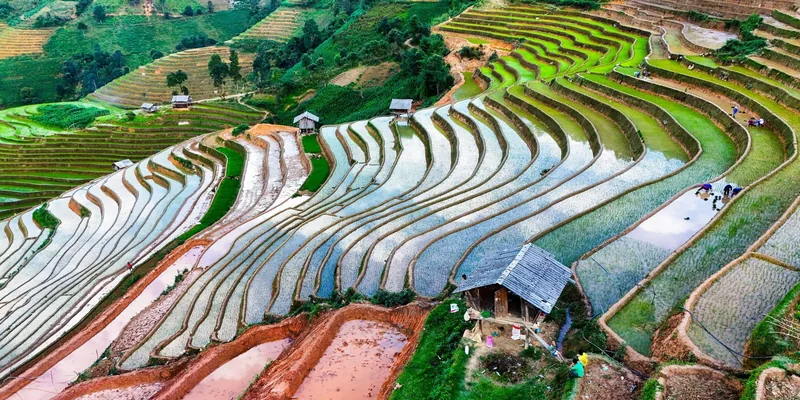
What the bad months actually mean. June to August in the north is 33 to 38 degrees with high humidity in Hanoi, and heavy afternoon rain in the hills — but it is also when the rice terraces are green and flooded, when prices drop, and when the bays are warm enough to swim. September and October in the centre bring the typhoons; Hue and Hoi An flood most years, sometimes to knee height in the old town, and this is the one risk we ask people to take seriously. March to April in the south is 34 to 37 degrees and dry, which is easier than it sounds if your days start at seven.
Tet, the lunar new year, moves between late January and mid-February. For about a week the country closes, domestic flights sell out, hotel rates rise sharply and many family-run restaurants shut. It is a remarkable thing to witness and a difficult week to travel in. We will tell you the exact dates for your year and let you decide.
Getting there and moving around
Direct flights reach Hanoi and Ho Chi Minh City from most European hubs in 11 to 13 hours, and from Bangkok, Singapore, Hong Kong or Seoul in 2 to 5 hours. Return fares from Europe run roughly USD 650 to 1,100 in economy depending on season, and rise around Tet and in July. Da Nang, which serves Hue and Hoi An, has direct flights from several Asian hubs but usually needs a connection from Europe.
Inside the country, flying is normal and cheap. Hanoi to Da Nang is about 80 minutes, Da Nang to Ho Chi Minh City about 85, Hanoi to Ho Chi Minh City about 2 hours 10. Booked a few weeks ahead these run roughly USD 45 to 110 one way; we quote them at cost rather than marking them up.
The alternative to one of those flights is the train. The overnight Hanoi to Hue service takes about 13 hours in a four-berth soft sleeper and costs around USD 40 to 60. It is a genuine experience and it costs you a day; the Da Nang to Hue stretch in daylight, about two and a half hours along the coast, is worth taking whether or not you take the night train.
Roads are better than their reputation. The northern expressways are new and fast, and the drive from Hanoi to Haiphong for the bay is 2 hours 30 minutes. The one long drive we build into routes is Hue to Hoi An over the Hai Van pass, 3 hours 30 minutes with stops — the pass is 21 kilometres of switchbacks with a 500-metre summit, and it is the reason we do not use the tunnel.
What things cost on the ground
These are the prices you pay yourself, not tour prices. They are what a trip feels like in the hand, and they are the reason Vietnam still reads as good value even though hotel rates have risen since 2023.
| Typical price | Notes | |
|---|---|---|
| Three-star town hotel | USD 35 – 60 per night | Clean, air conditioned, breakfast included, usually family run |
| Four-star or good boutique | USD 70 – 140 per night | What our usual standard books |
| Heritage or resort property | USD 180 – 400 per night | Hoi An beach, Hue riverside, a handful in Hanoi |
| Bowl of pho or bun cha | USD 1.50 – 3 | Street kitchen, cash, best before nine in the morning |
| Casual restaurant meal | USD 6 – 12 per person | Including a beer |
| Good restaurant, dinner | USD 20 – 45 per person | Hanoi, Hoi An and Ho Chi Minh City have real ones |
| Hue citadel entry | About USD 8 | Each royal tomb is charged separately, about USD 6 each |
| Hoi An old town ticket | About USD 5 | Covers entry to five heritage houses |
| My Son sanctuary | About USD 6 | Go at 06:30 or after 15:00 |
| Airport taxi, Hanoi into town | USD 16 – 22 | 35 km, 50 minutes outside rush hour |
Not obligatory and not expected in restaurants, where a service charge is often already on the bill. Guides and drivers are the exception: on a private trip, USD 10 to 15 a day for a guide and USD 5 to 8 for a driver is the range most of our guests settle on. We never build it into a quote.
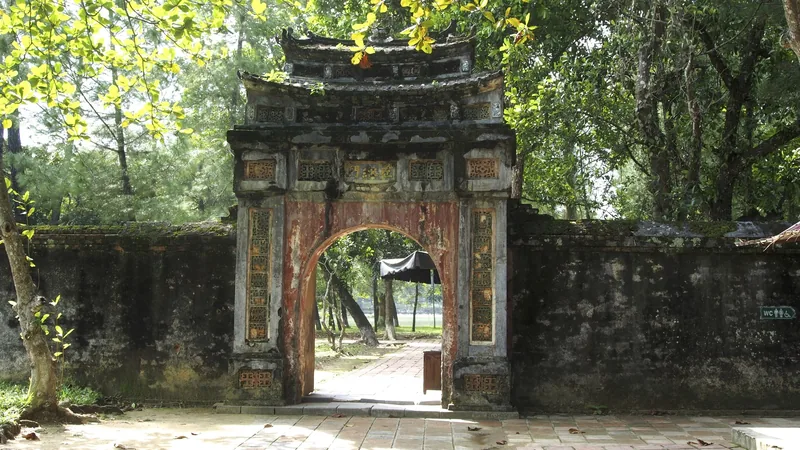
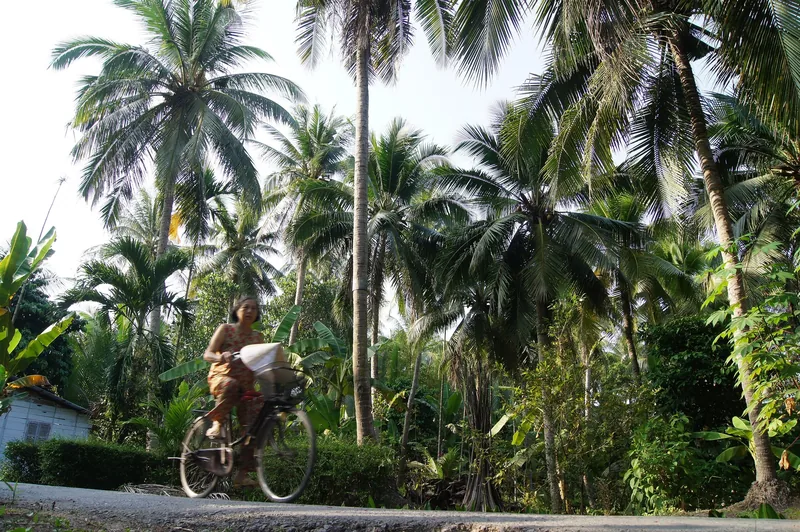
Vietnam in pictures
Trips that go here
Four of our six routes run in Vietnam, and they solve different problems. The twelve-day north to south route is the thorough first look. The ten-day walking route in the north stays above 800 metres and skips the coast entirely. The eleven-day family route cuts drive times and early starts, and is built for children roughly six to fourteen. The fifteen-day Indochina route takes the northern and central sections and joins them to Laos and Cambodia.
Plan My Trip
Build it around your dates
Every route here runs privately from two travellers. Send the dates and what you refuse to miss, and the first outline comes back in two working days.
When to leave Vietnam off the list
Four situations in which we would point you somewhere else, or at least to a different month.
- You have seven nights or fewer and want to see the whole country. You will see airports. Do one region, or choose Cambodia or Laos, both of which fit a week.
- You are locked to late September or October and the centre is the part you want. Hue and Hoi An flood in most years in those weeks, and no operator can plan around a typhoon. The north in October, by contrast, is the best month of its year.
- You want empty beaches in high season. The good stretches of coast in December to March are busy and priced accordingly; quieter coastline exists, but it is in the months when the sea is rough.
- Crowds are the thing you cannot tolerate at all. Vietnam received more than twelve million foreign visitors in the year before this page was written, and the headline sites feel it. Laos is the honest alternative.
- You need step-free access throughout. The citadel, the tombs, the caves and almost every temple involve uneven stone and stairs without handrails, and we would rather say so now than on day six.
Common questions
Questions travellers ask most
Is Vietnam better in the north or the south?
They are different countries in most of the ways that matter to a traveller — climate, food, pace, architecture. If you have to choose one, the north has more variety within a short radius and a real winter, and the south has the delta, the best year-round weather from December to March, and the more relaxed cities.
Do I need a visa for Vietnam?
Most nationalities do, and it is an online e-visa valid up to 90 days, usually issued in about three working days. A small number of passports have short visa-free entry. We send a written note for each traveller's nationality before you book flights, but the application itself is yours to make on the official government site.
How bad is the traffic really?
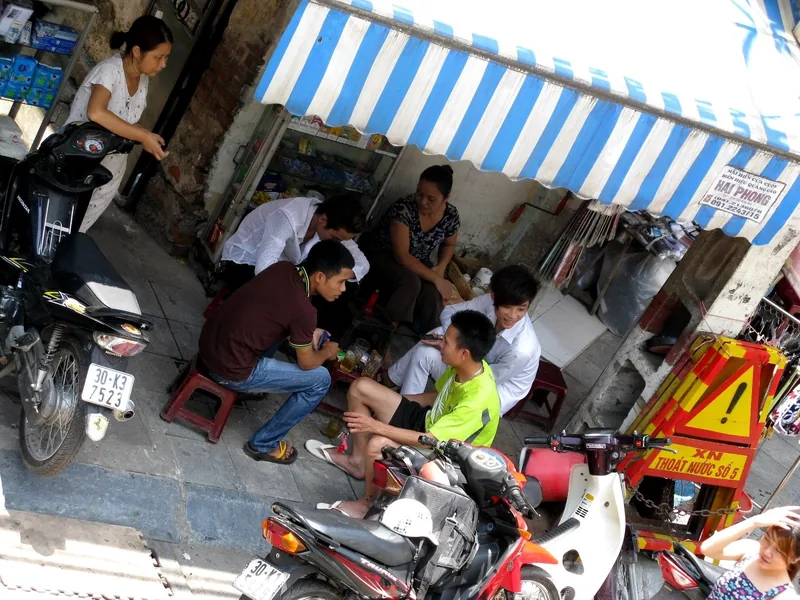
In Hanoi and Ho Chi Minh City it is dense rather than fast, and crossing a road on foot is a skill that takes a day to learn. It affects planning mainly at the edges of the day: an airport transfer that takes 50 minutes at midday takes 80 at six in the evening, and we build that into the timings rather than hoping.
Can I drink the tap water?
No. Bottled or filtered water only, and our vehicles carry it. Ice in restaurants and established street kitchens is made commercially and is generally fine; food from a busy stall is safer than food from a quiet one, because the turnover is higher.
Related
Read next
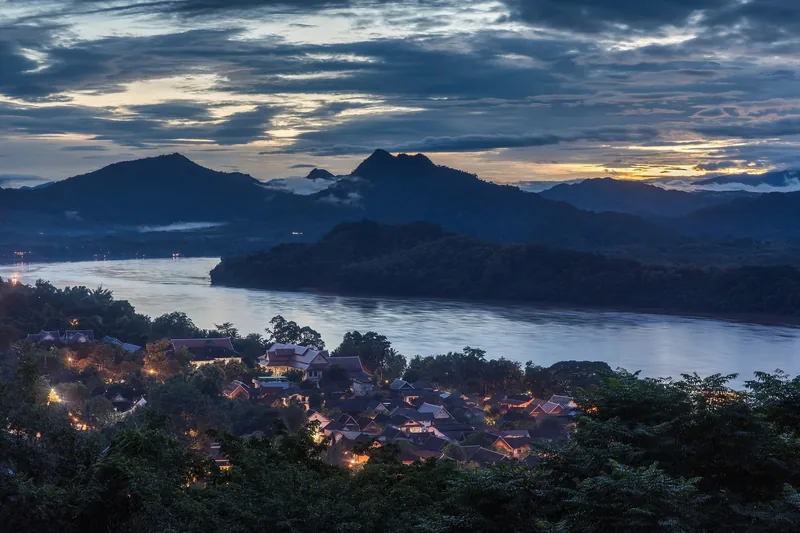
Vietnam · Cambodia · Laos
Destinations
Country and place guides for Vietnam, Cambodia and Laos.
View journey
Example itinerary — fully customizable
Vietnam north to south
Twelve days, one country, three climates and two internal flights.
View journey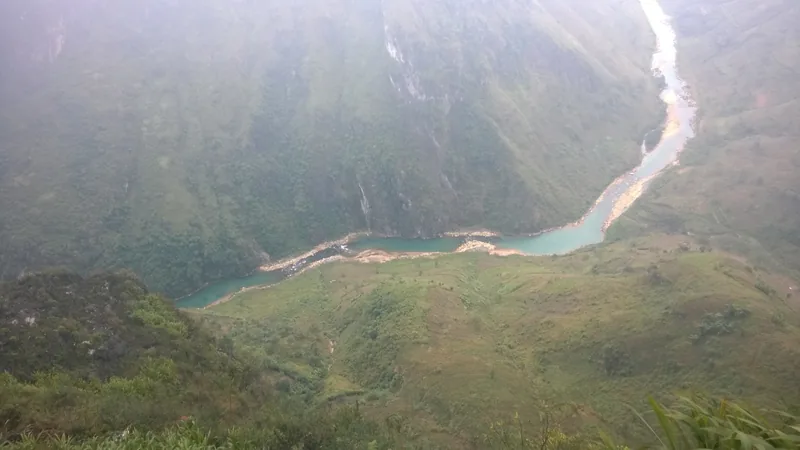
Example itinerary — fully customizable
Northern Vietnam on foot
Ten days in the far north with four walking days and five nights in villages.
View journey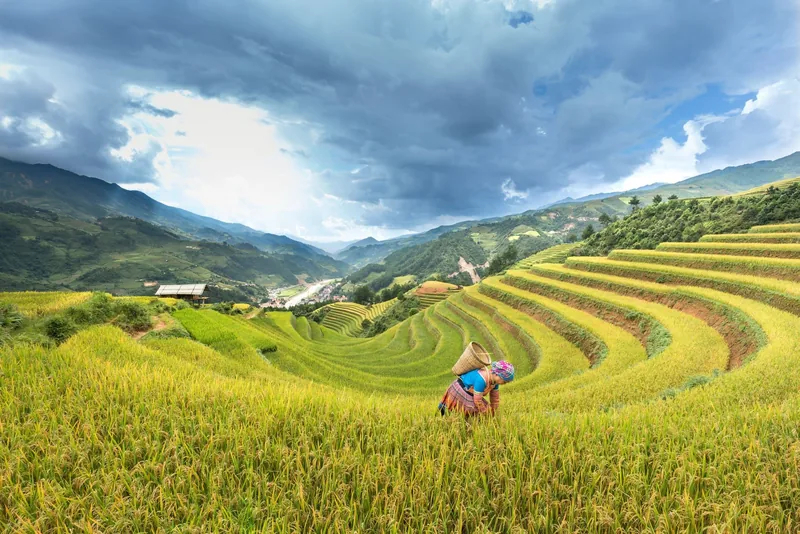
Planning
When to go
Month-by-month conditions across Vietnam, Cambodia and Laos, including what the quiet season is good for.
View journey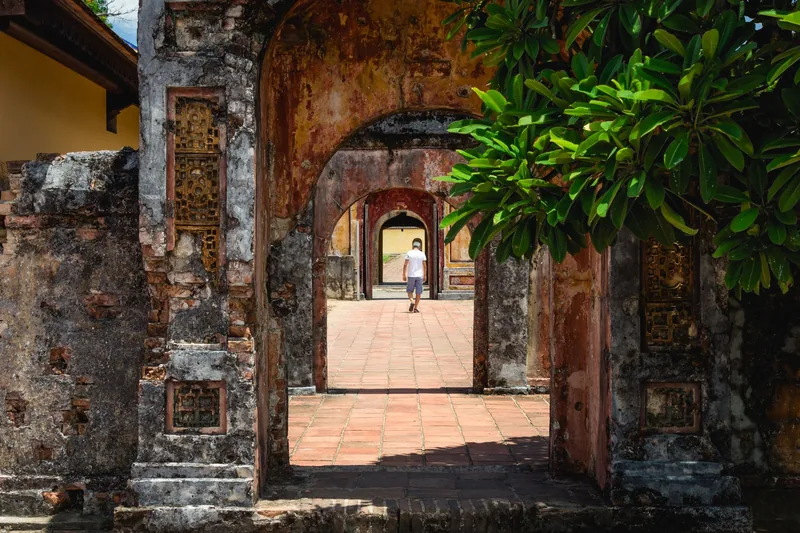
Planning
How many days
Realistic day counts for one, two and three countries, and the routes that do not work.
View journey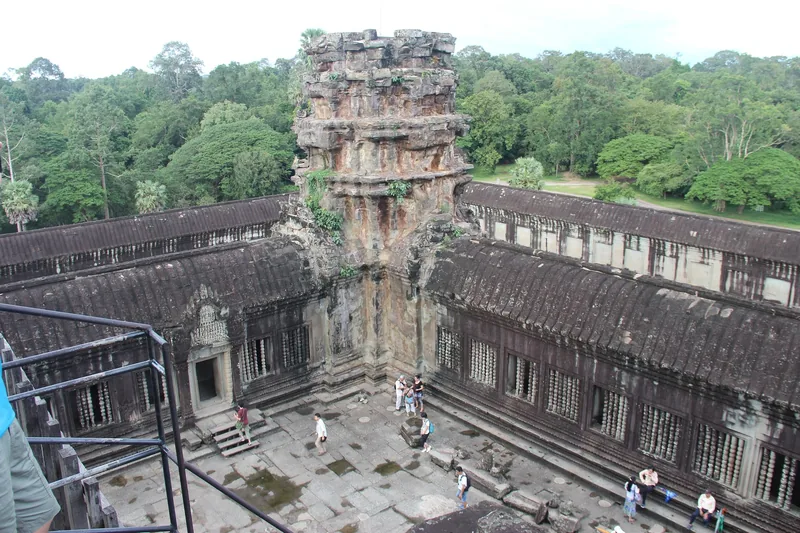
Destination guide
Cambodia
Angkor done properly, plus the Mekong and the coast nobody sees.
View journey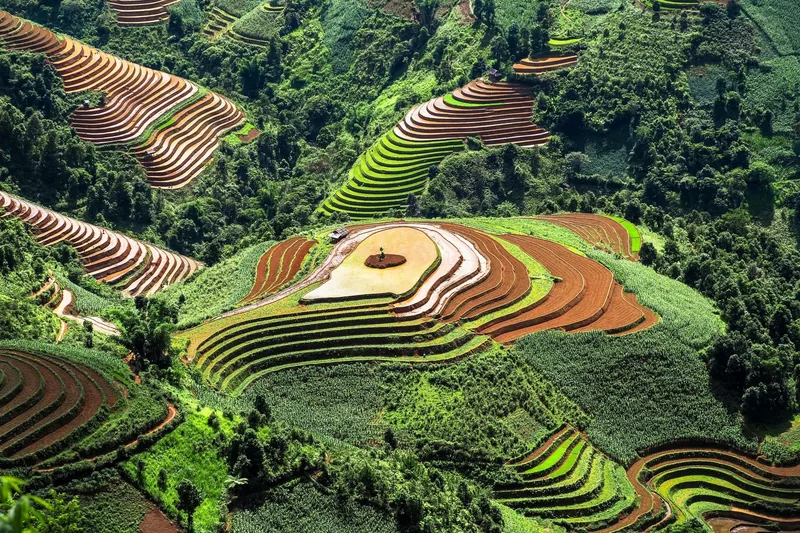
Start planning
Tell us about the journey you have in mind
Dates, party size and the places you care about are enough to start. You get a draft route and an indicative price, not a brochure.
Prefer to talk? WhatsApp or call+84 766 019 399