
 Indochina destination specialist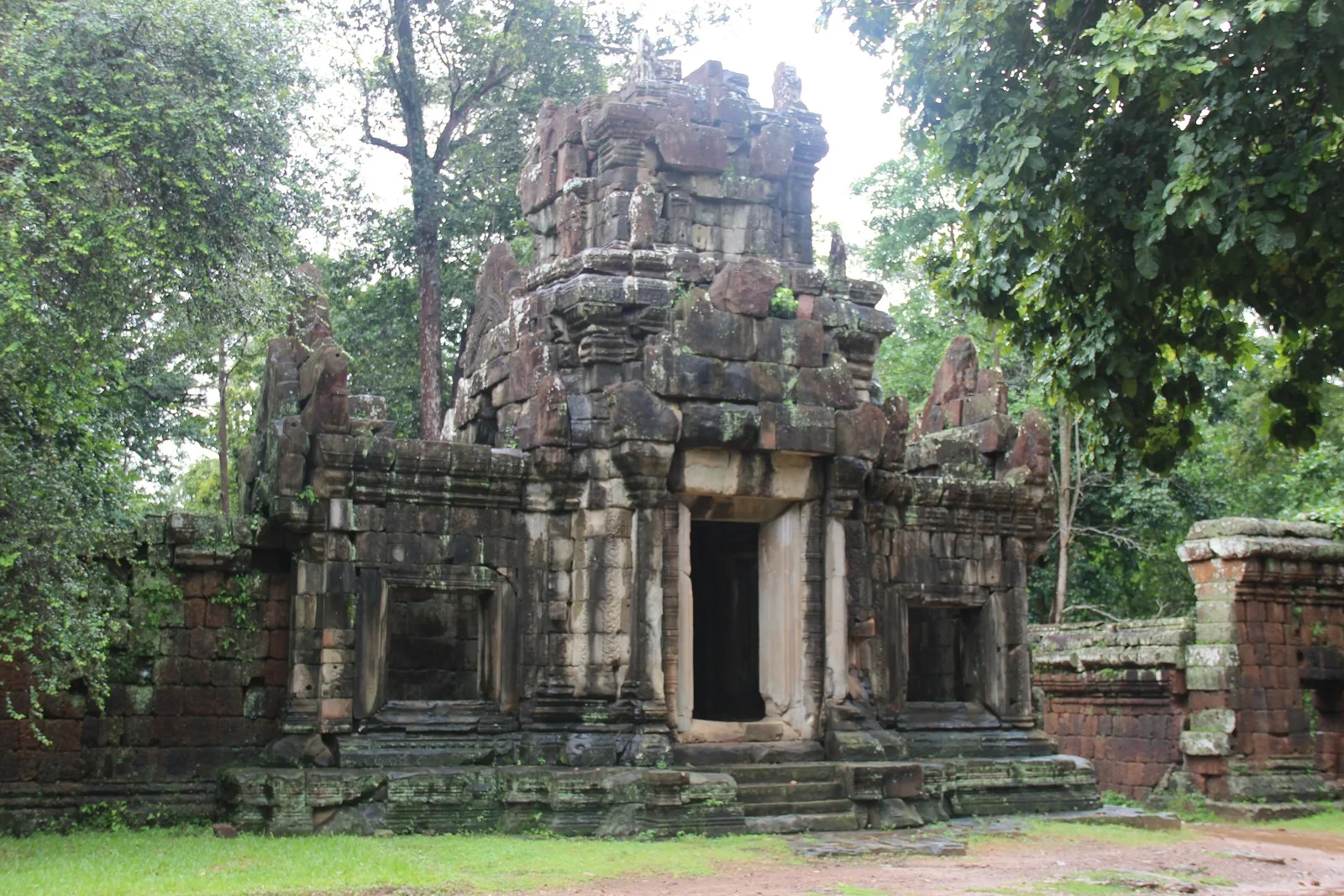
8 days · Example itinerary — fully customizable
Angkor properly, then the rest of Cambodia
Eight days that give Angkor two working days broken around the heat, then keep going west to Battambang and south to Phnom Penh. Most eight-day Cambodia trips are five days at Angkor and a flight home. This one is not.
At a glance
- Length
- 8 days, 7 nights
- Group
- 4 – 12, or private from 2
- Start
- Siem Reap
- End
- Phnom Penh
- Effort
- Easy; heat and uneven stone
- From
- USD 1,780 per person
The route
Who this is for
This route suits someone with eight days who wants Cambodia rather than Angkor with a Cambodian postcode. Angkor gets two days, which is the point at which most people stop photographing and start looking. The other four working days go west into the rice country around Battambang and south to Phnom Penh, where the national museum and the genocide sites between them do more to explain what you saw at Angkor than a third temple day would.
It is not the right shape for a first trip that also has to include Vietnam. If you are trying to fit Cambodia into a wider Indochina route, the fifteen-day journey on the classic Indochina page gives Angkor two nights inside a bigger trip, and does it without the internal drives here. This page is for people who have decided on one country.
Day by day
Day 1
Arrive Siem Reap
Siem Reap's international airport moved east in 2023 and now sits about 50 kilometres from town, a 50-minute drive rather than the fifteen minutes older guidebooks promise. We meet you inside the terminal and drive straight in.
Nothing else is scheduled. Tomorrow starts at 05:15 and the heat is the part of Angkor that people underestimate, so an afternoon spent in the pool is not a wasted one.
Day 2
Angkor, early morning and late afternoon
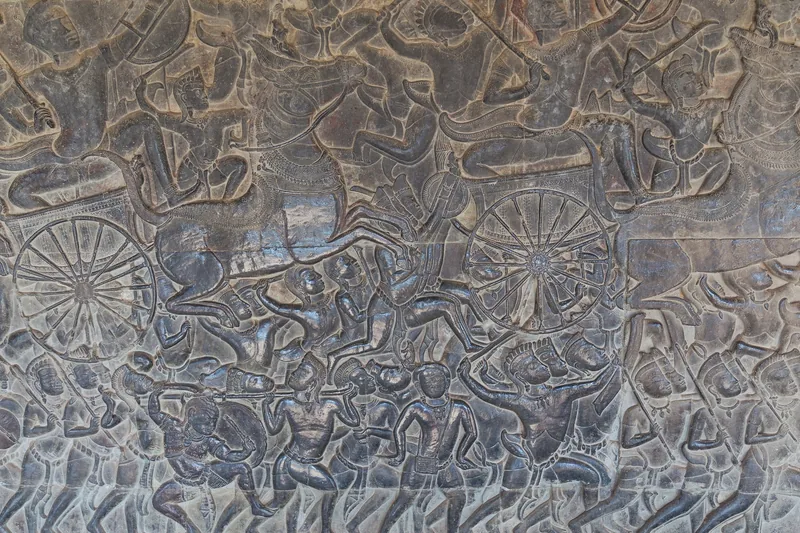
The Angkor Wat causeway between 05:45 and 07:00, before the coach park fills
Out at 05:15 with the three-day pass bought the evening before, so you are on the western causeway of Angkor Wat at about 05:45 rather than queuing for a ticket at 06:10. Two hours inside the main temple, then Angkor Thom and the Bayon while the stone is still bearable. Back at the hotel by 11:00.
The middle of the day is yours. We go out again at 15:15 for Ta Prohm, which is the temple left half-swallowed by silk-cotton and strangler fig, and finish at Preah Khan, which has similar trees and a fifth of the visitors.
Splitting the day in two costs an extra vehicle movement and saves you four hours in 34-degree heat. Every guest who has done it the other way tells us the same thing afterwards.
Day 3
Banteay Srei and Beng Mealea
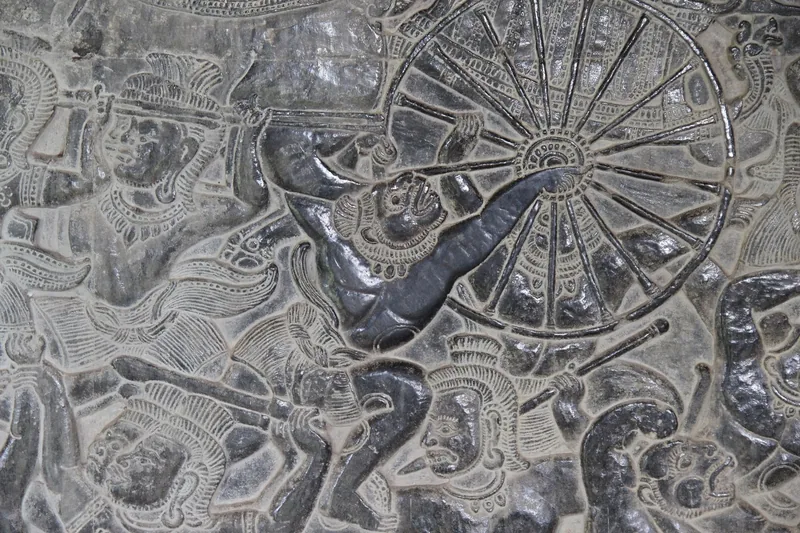
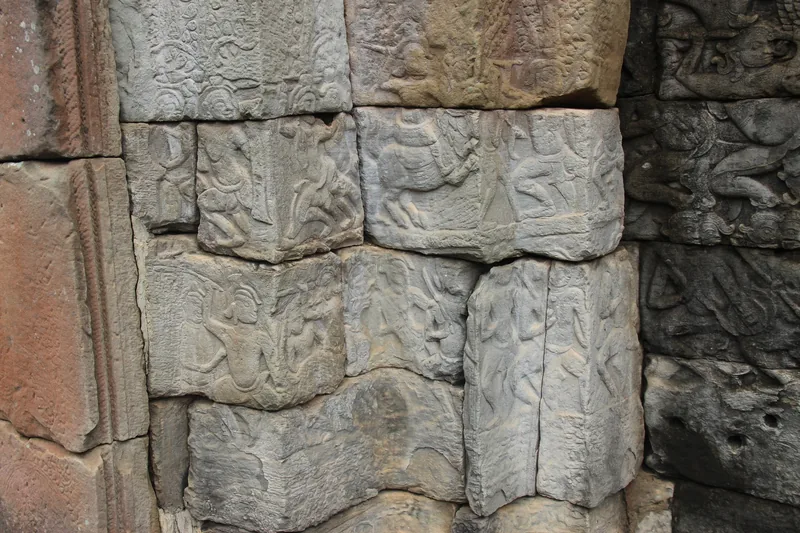
The north gallery at Beng Mealea around midday, often with nobody else in it
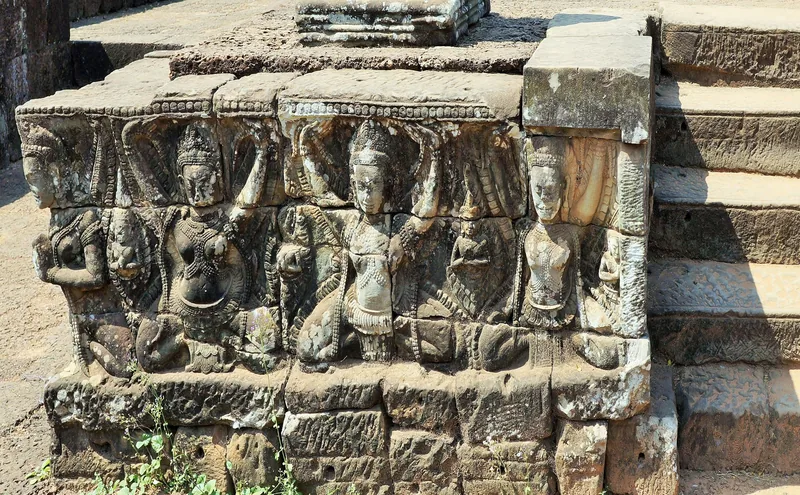
Banteay Srei is 37 kilometres north-east, about 50 minutes on a good road. It is small and you will be done in an hour, which is the correct amount of time: what you go for is the carving, cut into a pink sandstone that holds detail no other temple here keeps.
Another 40 kilometres east and an hour on is Beng Mealea, built around the same time as Angkor Wat and never restored. It is a collapsed building crossed on wooden walkways and stairs. The site was mined during the civil war and cleared by Cambodian deminers in the early 2000s; the cleared area is marked and you stay inside it.
Back in Siem Reap by mid-afternoon, 77 kilometres and about an hour and a half.
Day 4
The lake, then west to Battambang
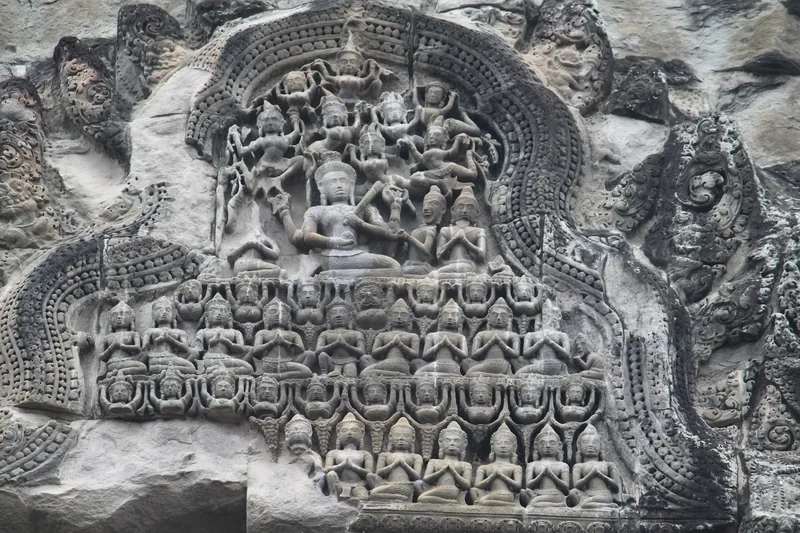
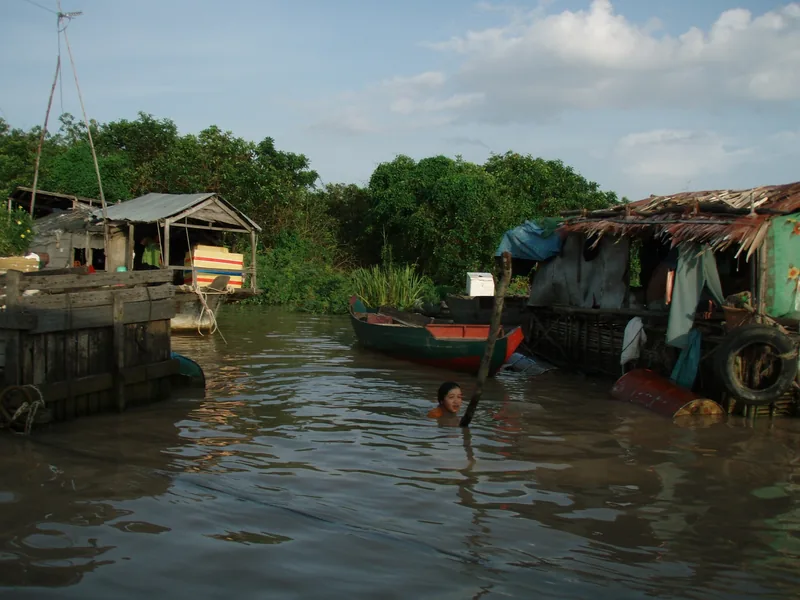
The flooded forest in October, when the boat runs between treetops
Kampong Phluk is 30 kilometres south-east, 45 minutes by road and then an hour and a half by boat. The houses stand on stilts six to eight metres high because they have to: the Tonle Sap covers roughly 2,500 square kilometres in April and about 13,000 in late September, when the Mekong is high enough to push the river backwards into the lake.
That seasonal difference decides what this morning is. From August to December you go through the tops of the flooded forest with water under you. From March to May the boats work a narrow channel and the stilt houses stand over dry ground, which is interesting in a different and much less photogenic way.
Afternoon west to Battambang, 170 kilometres on national roads 6 and 5, about three and a half hours. In high water we can swap the road for the Sangker river boat instead, which takes seven hours on a hard bench and is worth it to about one traveller in four.
Day 5
Battambang, town and the country behind it
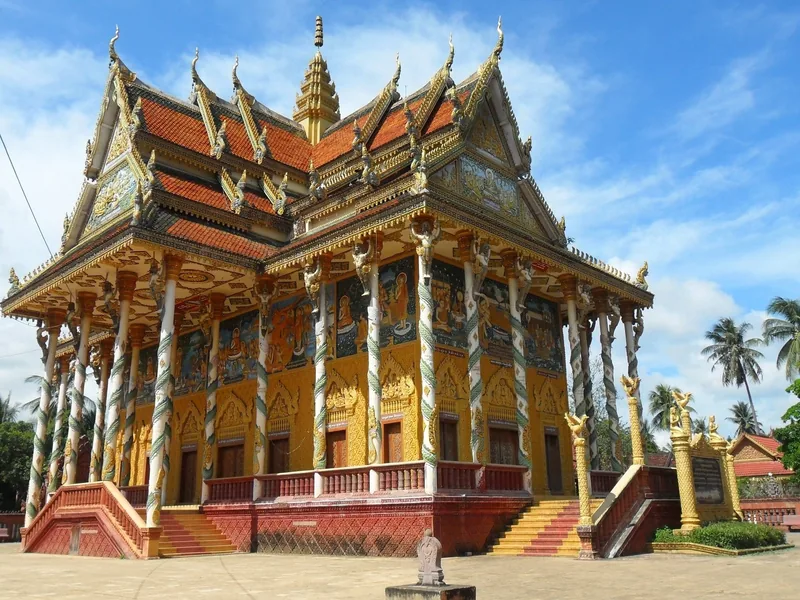
The morning goes south of town. Wat Banan is an eleventh-century hilltop temple reached by 358 steps, and the view from the top is over rice country rather than jungle. Phnom Sampov, ten minutes further on, holds caves used as execution sites by the Khmer Rouge; there is a small memorial and our guide will tell you what happened there without theatre. At about 17:45 several million wrinkle-lipped bats leave the same hill in a column that takes half an hour to pass, which is a separate thing and worth staying for.
Between the two we stop at the family workshops along the road: rice paper dried on bamboo racks, fish paste, banana chips, and the bamboo norry, a plank on two axles that used to be a real form of transport and is now a rebuilt three-kilometre ride.
Afternoon in Battambang itself, which has the best surviving street of 1920s shophouses in Cambodia and almost no traffic. Phare Ponleu Selpak, the arts school on the edge of town, runs a circus performance most evenings in season, and the ticket money goes into the school.
Day 6
Battambang to Phnom Penh
Leave at 08:00 for 290 kilometres of national road 5, now mostly rebuilt, about five hours with a lunch stop at Pursat. It is flat rice country the whole way and there is not a great deal to look at, which is why we do it in one push rather than pretending it is a sightseeing day.
Arriving mid-afternoon leaves the evening free on the riverfront, where the Tonle Sap runs into the Mekong in front of the palace. Phnom Penh is a working capital of about two and a half million people and behaves like one; the traffic at 18:00 is the price of that.
Day 7
Phnom Penh
The morning is Tuol Sleng and Choeung Ek. Tuol Sleng was a school before it became security prison S-21, where about fourteen thousand people were held between 1975 and 1979 and a dozen are known to have survived. Choeung Ek is fifteen kilometres out, thirty-five minutes in traffic, and is where most of them were killed. We give you the audio guide, which is well made and lets you go at your own pace, and the guide waits outside rather than narrating.
We do not build this into a shortened version and we do not schedule anything immediately afterwards. If you would rather not go, say so when you book and we will put the Royal Palace and a market morning in its place; nobody will ask you to justify it.
The afternoon is the National Museum, which holds the pre-Angkorian and Angkorian sculpture taken out of the temples you walked through on days two and three, and the Royal Palace, which closes between 11:00 and 14:00 and needs covered shoulders and knees.
Day 8
Depart Phnom Penh
Free until your transfer. The airport is ten kilometres from the centre, which is thirty minutes early in the morning and can be forty-five later on, and we ask for three hours before an international departure.
What it costs
| Party size | Our usual standard | Top end |
|---|---|---|
| 2 travellers, private | USD 2,480 | USD 3,780 |
| 4 travellers, private | USD 1,990 | USD 3,150 |
| 6 or more, private | USD 1,780 | USD 2,860 |
| Set departure, 4 – 12 | USD 1,780 | — |
Included and not
What the price includes
- Seven nights as described, twin or double, at the standard shown
- Private air-conditioned vehicle and driver for the whole route
- English-speaking Cambodian guide on days 2, 3, 4, 5 and 7
- Angkor three-day pass, currently USD 62 per person, passed through at cost
- All other entrance fees and permits named in the day plan
- Private boat on the Tonle Sap at Kampong Phluk
- Breakfast daily plus the six lunches marked in the day plan
- One number in Cambodia, answered 24 hours, for the whole trip
What it does not include
- International flights into Siem Reap and out of Phnom Penh
- Cambodian visa, currently USD 30 on arrival or by e-visa
- Travel insurance, which is a condition of travelling with us
- All dinners, drinks and laundry
- Tips for the guide and driver
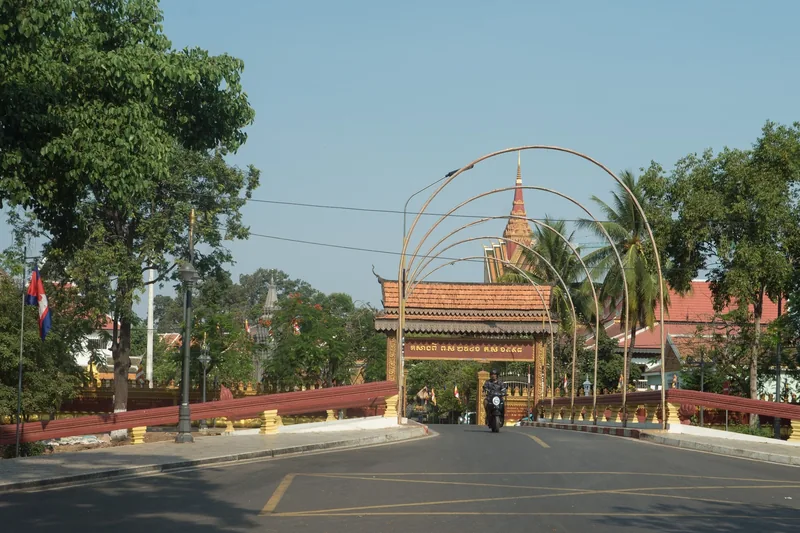
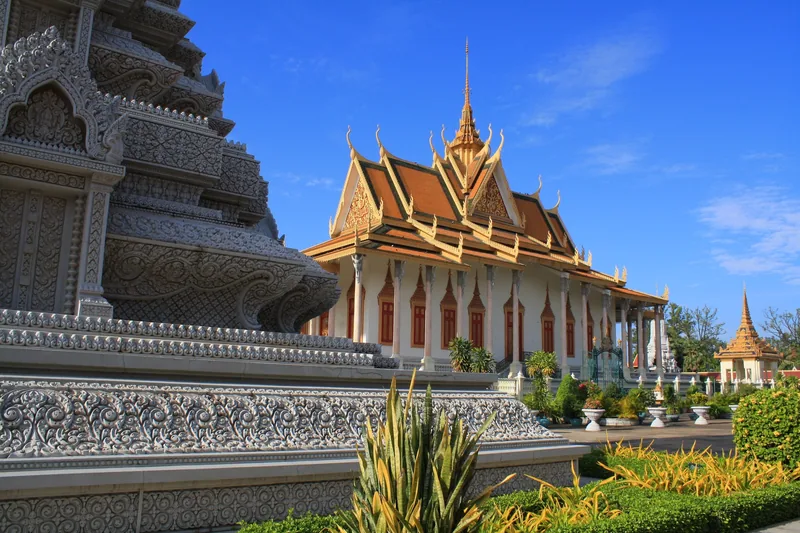
Pictures from the route
When this trip is the wrong one
- You want Angkor in one day and a flight out on the second. That trip exists, it is cheaper, and we will tell you who runs it well — but it is not this page.
- Heat is a real problem for you. Angkor runs 35 to 38 degrees in the shade from March to May, and the Angkor Thom causeways have no shade at all.
- You are travelling with children under about twelve. Day seven is Tuol Sleng and Choeung Ek, we do not soften them, and the alternative is a child left at the hotel with nothing arranged.
- Steps and uneven stone are difficult. Beng Mealea is crossed on wooden stairs over collapsed blocks, Wat Banan is 358 steps, and the inner galleries at Angkor have no handrails.
- You are hoping to add the coast. Kep and Kampot are five to six hours south of Phnom Penh and do not fit inside eight days without losing a temple day.
Common questions
Questions travellers ask most
Is two days really enough for Angkor?
For a first visit, yes, if the days are split around the middle of the day as ours are. Two half-days at each end give you about seven hours inside the temples at the two times of day the light and the temperature are both workable.
People who want a third day are usually after specific sites — Koh Ker, Preah Vihear, the Roluos group. We can add one, and it costs a night in Siem Reap and one less night in Battambang.
Do we have to visit Tuol Sleng and Choeung Ek?
No. Tell us when you book and we replace the morning with the Royal Palace and the Russian Market. We would rather you skipped it than went and wished you had not.
If you do go, allow the rest of the day to be quiet. We do not schedule anything demanding afterwards, and the afternoon museum visit is optional on the day.
When does the Tonle Sap look like the photographs?
From about mid-August to early December, when the Mekong is high enough to reverse the Tonle Sap river and flood the lake to roughly five times its dry-season area. October is the peak.
From March to May the lake is low, the boats work a dredged channel, and the stilt villages stand over dry mud. We will still take you, but we say in advance what you are getting.
Can it run the other way, Phnom Penh to Siem Reap?
Yes, and it makes sense if your international flights are easier that way. The only change we insist on is keeping Angkor at the end with two full days, rather than arriving at the temples tired on the last morning.
Related
Read next
Vietnam · Cambodia · Laos
Tours
Every journey we operate, with days, group size and starting price.
View journey
Tours
Prices
Price ranges, a supplier-level breakdown, and how a cheap quote is made cheap.
View journey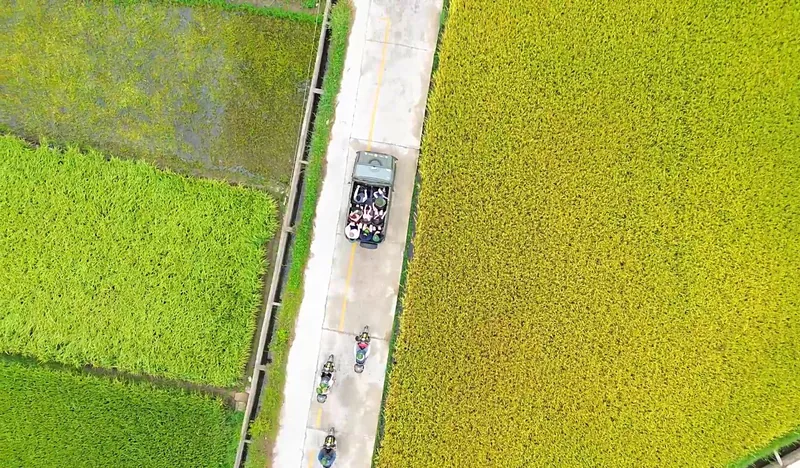
Tours · Booking
How to book
The whole booking process, with the deposit rules and the deadlines.
View journey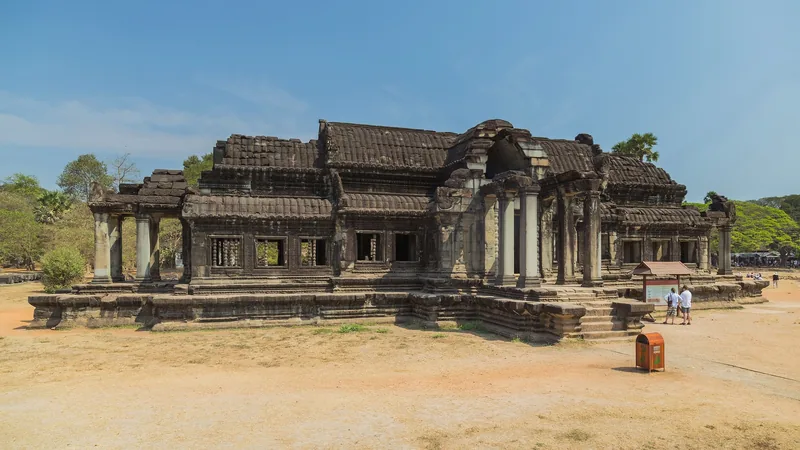
Example itinerary — fully customizable
Classic Indochina
Fifteen days, three countries, nothing shorter than a two-night stop.
View journey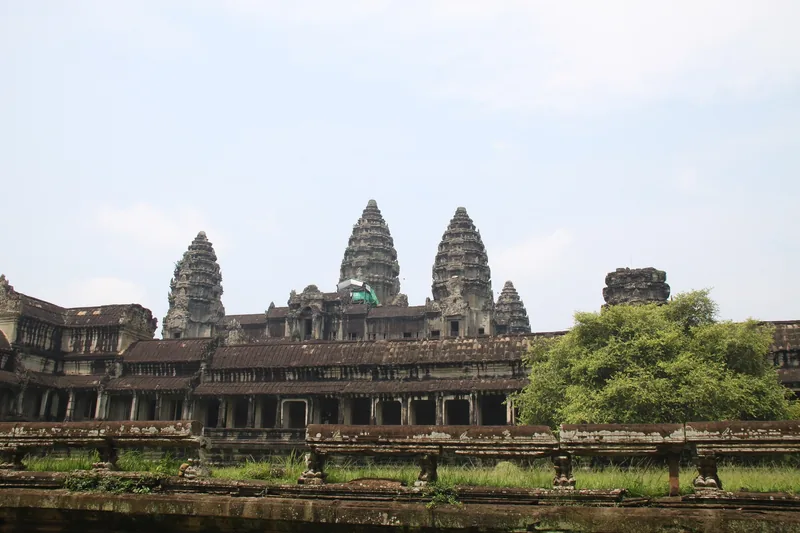
Cambodia · Angkor
Siem Reap
Cambodia: the Angkor temples, and the town that grew around them.
View journey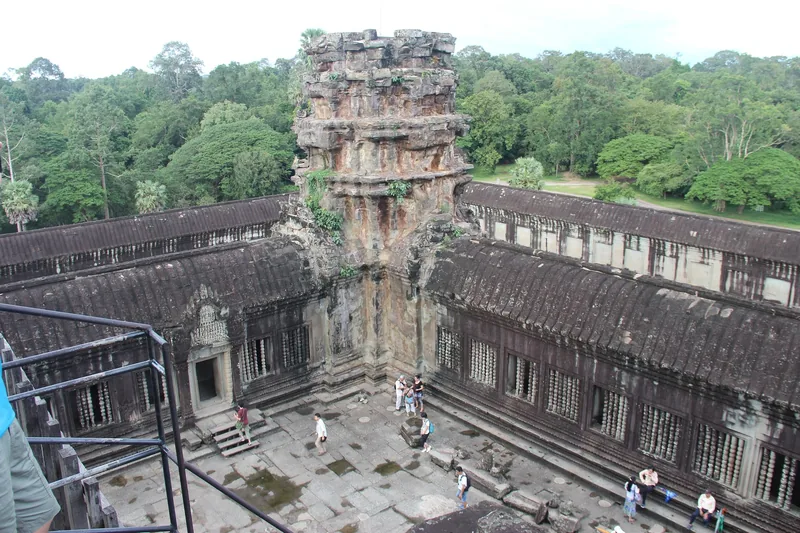
Destination guide
Cambodia
Angkor done properly, plus the Mekong and the coast nobody sees.
View journey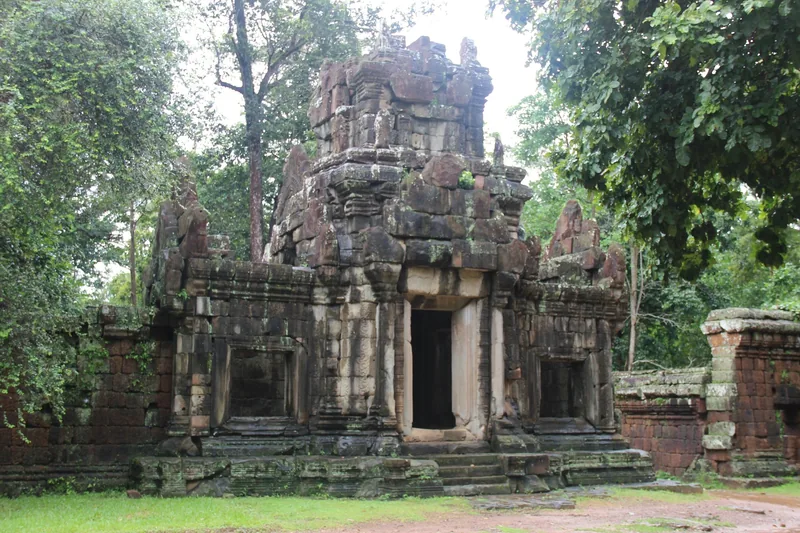
Start planning
Tell us about the journey you have in mind
Dates, party size and the places you care about are enough to start. You get a draft route and an indicative price, not a brochure.
Prefer to talk? WhatsApp or call+84 766 019 399